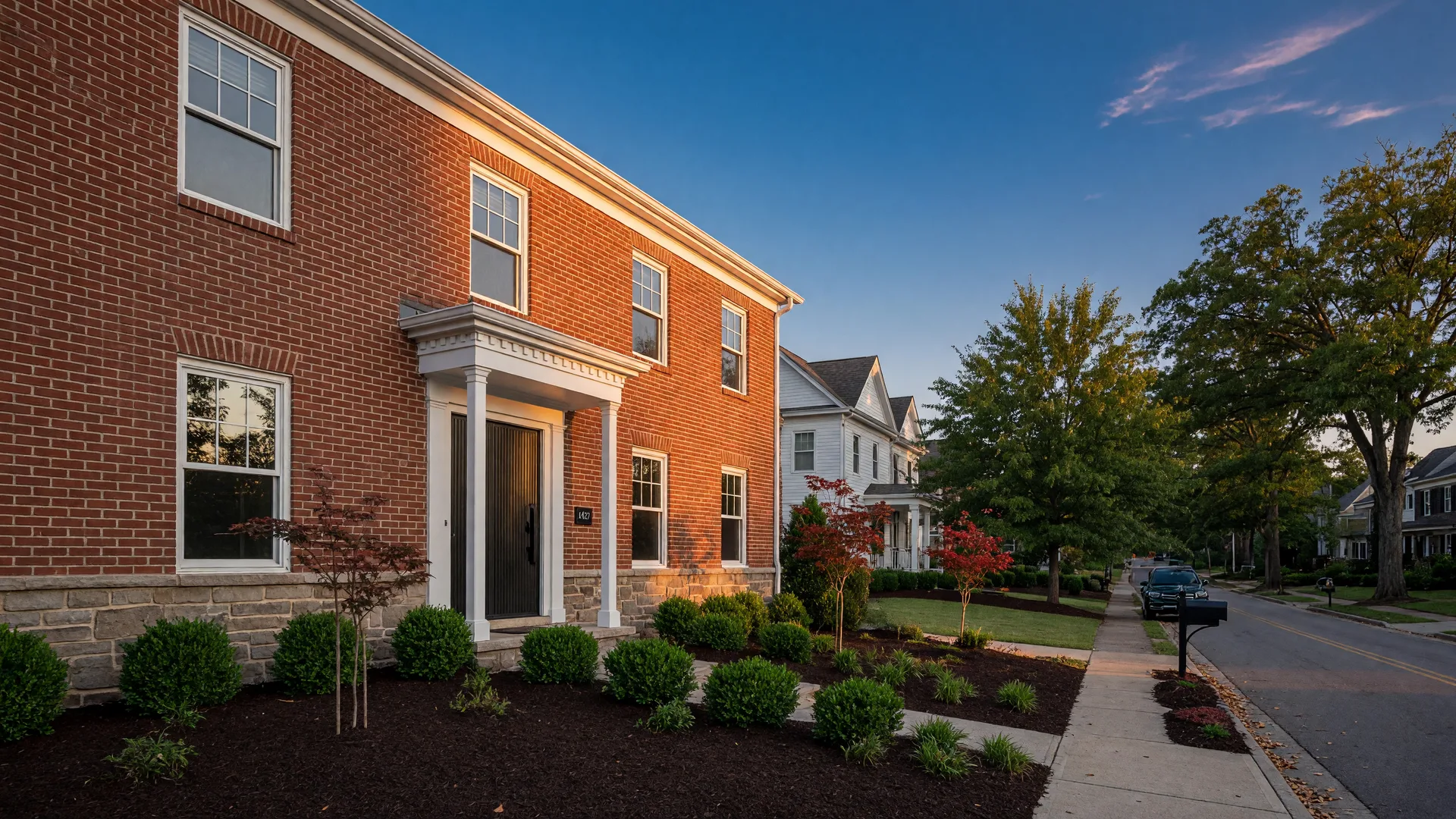
The honest answer to "what should I fix before selling" is that most of the money belongs in three places: the roof, the water, and the front of the house. National cost-vs-value data and current inspection surveys agree that buyers pay for safety, working systems, and first impressions, and they discount almost everything else. In the current Knoxville market, where homes run about 52 to 54 days on market and buyers compare more listings than they did a year ago, the repairs you choose can be the difference between multiple offers and a long sit. Here is the prioritized, no-nonsense guide.
Why repairs matter more in a balanced market
Knoxville has moved from a frenzy to a balance, and that changes the seller's math. The city's median sale price sits near $325,000, up 1.7 percent year over year (Redfin, three months ending June 2026), the metro median runs near $397,000, and inventory has climbed to about 3.9 months of supply at the metro level. Nobody is fighting over a house that needs work the way they were in 2021. When buyers have choices, every flaw becomes a negotiation line item, and the data says they use them: roughly 83 percent of recent buyers requested at least one concession, and surveys put the share who ask for repairs or credits based on inspection findings around 46 percent in 2025.
That is why "don't fix anything, let them negotiate" is the wrong frame. It is not about avoiding requests, it is about removing the leverage. A home that arrives at inspection clean reads as priced fairly. A home that hands the buyer a list of deferred maintenance invites them to discount it twice, once for the repairs and once for the hassle. In a balanced market, condition is your cheapest marketing.
The line to remember: buyers pay for safety, systems, and first impressions. They discount everything else. Price and presentation set the first impression; the repairs you make decide what the negotiation looks like.
The non-negotiables: roof, water, electrical
The repairs that genuinely matter are the ones that stop a transaction, and inspection data is consistent about what those are. Roof problems are the most common finding in home inspections, showing up in roughly one in five homes, plumbing issues appear in about a third, and the deal-breakers cluster into a short list: significant foundation or structural cracks, a sagging or actively leaking roof, major water damage or mold, electrical fire hazards like outdated panels or unsafe wiring, and sewage or septic failures.
Here is why five items punch above their weight: lenders frequently will not finance a home with a failing roof or major structural defects. That converts a repair into a financing problem, and a financing problem kills deals that would otherwise close. If your home has any of these, fix it before you list or be prepared to discount it heavily and watch a thinner pool of qualified buyers. This is also the tier where a pre-listing inspection earns its keep, because it tells you what the buyer's inspector will find while you still control the timeline.
Curb appeal is where the money comes back
The 2025 Cost vs Value Report, the national standard for resale return, is unambiguous: exterior work returns more than anything inside the house. A garage door replacement recoups about 268 percent of its cost nationally, a steel entry door about 216 percent, manufactured stone veneer about 208 percent, and fiber-cement siding about 114 percent. Compare that with an upscale kitchen remodel, which recoups only about 50 to 65 percent, and the picture is clear.
The reason is psychology as much as economics. Buyers form their opinion of the whole house in the first thirty seconds at the curb, and they carry that feeling through every room. A crisp garage door, a solid front door, clean siding, fresh landscaping, a painted and tidy entry, those are the details that make a buyer walk in assuming the inside has been cared for too. In the $600,000 to $2,000,000 tier where I work most, the front elevation and entry are where the sale is won or lost before anyone opens a door.
Inside the house: refresh, don't remodel
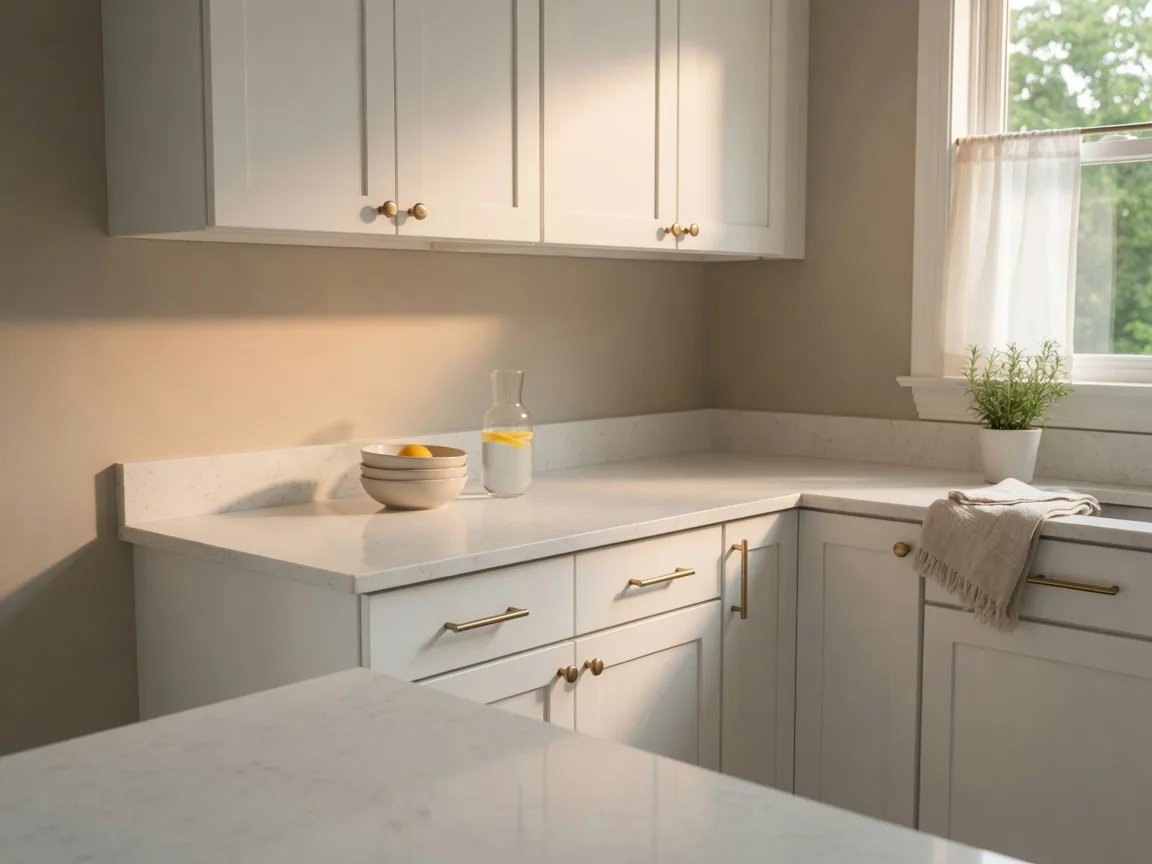
Inside, the rule is refresh, not remodel. A minor, midrange kitchen remodel is the one interior project that pays near its cost, about 113 percent nationally, because it is largely cabinet refinishing, new hardware, and updated appliances rather than a gut. Upscale kitchen and bath remodels are the opposite: they recoup only about 50 to 65 percent, and in a sale they often read as the seller's taste priced into a home the buyer will restyle anyway.
Spend the interior budget on what buyers actually test with their eyes and hands: fresh neutral paint, clean or replaced carpet where it is worn or stained, polished floors, new hardware and light fixtures at the front of the house, and a deep clean that makes everything feel maintained. Staging and decluttering matter more than any renovation. If your goal is right-sizing and you are selling a long-held family home, the prep priority list is the same, and I walk sellers through exactly which items pay before we set a date in my guide to pre-listing repairs for long-held homes.
The rule to hold onto: sell the house you have, not the house you almost built. Renovate for the neighborhood you are in, not the one you wished you bought in. The market pays for the neighborhood's ceiling, not your contractor's invoice.
The pre-listing inspection: control the report
I recommend a pre-listing inspection for older homes and for everything at the luxury tier. You hire the inspector, you get the report first, you fix what matters or price the home accordingly, and then you present the clean report to buyers from day one. It costs a few hundred dollars and it changes the negotiation in ways that are hard to overstate.
First, it removes surprises. When the buyer's inspector arrives and finds little beyond normal wear, the credit requests shrink and the contingencies get shorter. Second, it removes the unknown discount. Buyers assume the worst about a house that has never been inspected; a documented, inspected home gets priced on its merits. Third, it signals confidence. In a market where most homes surface something in inspection, a clean pre-listing report is a genuine differentiator, and the buyers it attracts are the serious ones. When the report does surface a big item, we fix it before showings or price it into the number, and the inspection-stage friction largely disappears.
If the buyer's inspector does hand you a list anyway, the playbook is to separate the real items from the noise: fix or credit the safety and system items, politely decline the rest, and keep the deal moving. I have the full walkthrough on handling that list in my guide to negotiating inspection requests.
What not to fix: the money pits
For every repair that pays, there is a project that quietly donates money to the next owner. Full kitchen and bath remodels before selling are the leaders: they recoup about half to two-thirds of their cost and take weeks to complete. Pools and hot tubs rarely add value proportional to their cost and can shrink the buyer pool. High-end fixtures and finishes that exceed what the neighborhood sells for are, in a sale, garnish the buyer will not pay for. And the worst category of all: half-finished projects. A bathroom that is 80 percent remodeled is worth less than the same bathroom that was never touched, because the buyer sees work, cost, and risk instead of a home.
The skip list: upscale kitchen remodels, luxury bath remodels, pools and hot tubs for resale, over-improvements above the neighborhood standard, and any project you cannot finish before the listing photos.
The luxury tier raises the bar
If you are selling in the $600,000 to $2,000,000 range, the bar is higher and the discount for deferred maintenance is steeper. At this tier buyers expect systems with documentation: a roof with years left, HVAC units with service records, an updated electrical panel, clean gutters and grading. They are not forgiving of a twenty-year-old water heater in a million-dollar home the way they might be at the city median, because at this price they are buying turnkey, not potential.
The flip side is that the luxury buyer is paying for condition, not improvements, which is why over-improving at the high end is even more wasteful than at the entry level. What wins in the luxury tier is a home that is mechanically flawless, visibly maintained, professionally photographed, and priced against real comps. When the condition story is clean and the pricing is right, luxury homes in Knoxville still move fast; the ones that sit are usually the ones that asked a premium for someone else's unfinished projects.
A simple framework for deciding what to fix
When sellers ask me whether a repair is worth it, I run it through four questions:
1. Would a lender refuse to finance the home over this? Roof failures, major structural issues, and active water or electrical hazards live here. These are not optional; they are deal-breakers.
2. Would a buyer's inspector flag it within the first pass? If yes, fix it or price it honestly before you list, because it will surface either way and it costs more at the negotiating table.
3. Is it visible from the street, the front door, or the primary living spaces? If it is, it shapes the tour. Entry doors, garage doors, siding, paint, flooring, and fixtures earn their cost.
4. Does it change how a buyer moves through or uses the home? Working systems, a usable kitchen, clean bathrooms, and good light do. A gourmet upgrade to a standard kitchen usually does not.
Answer yes to one, two, and three and you fix it. Answer only four and you weigh the cost against the comps, because the neighborhood sets the ceiling. Before any of this, the foundation of the whole plan is pricing: a home priced against real comps sells in a balanced market, and the repair budget supports that price instead of fighting it. Pricing myths are what make sellers over-improve in the first place, so get the number right and the repair list gets shorter.
Frequently asked questions
Do I need to fix everything the home inspector finds before selling? No. Inspections surface something in roughly 86 percent of homes, and most findings are normal wear. Fix the deal-breakers (roof, water, electrical, foundation, sewage) because lenders often will not finance those. Negotiate or credit the rest.
Which repairs give sellers the best return? Exterior work dominates: garage door replacement about 268 percent recouped, a steel entry door about 216 percent, manufactured stone veneer about 208 percent, fiber-cement siding about 114 percent. Upscale kitchen and bath remodels recoup only about 50 to 65 percent.
Should I fix or offer a credit? Fix the safety and system items so the deal can close cleanly. Roughly 83 percent of recent buyers requested a concession anyway, so requests are normal. What costs you is a buyer discovering an undisclosed big problem and renegotiating from surprise, so a clean house removes the leverage.
Is a pre-listing inspection worth it? I recommend one for older homes and the luxury tier. You control the report, fix what matters, and present clean findings to buyers, which shrinks their credit requests and removes the unknown discount. It is a few hundred dollars that usually pays for itself in negotiation leverage.
What actually kills a Knoxville sale? Foundation movement, a failing roof, major water damage or mold, electrical fire hazards, and sewage or septic failures. Lenders frequently refuse financing on homes with these, so they move from repair to financing problems. Those are the repairs that actually matter.
The Bottom Line
Most of the money a Knoxville seller can spend getting ready belongs in three places: the roof, the water, and the front of the house. The national cost-vs-value data and the inspection surveys agree, and the fall 2026 market rewards it: with days on market near 52 to 54 and buyers comparing more homes, the seller with clean systems and a strong curb read keeps control of the negotiation, and the seller who skipped the big stuff hands it away.
Data note: figures draw on the 2025 Cost vs Value Report (Zonda and the Journal of Light Construction) for recoup rates; on 2025 and 2026 homebuyer and inspection surveys (Porch, Clever, SimpleShowing, NAR, InterNACHI via Redfin) for inspection frequencies and concession behavior; and on Redfin, Zillow, and the East Tennessee Association of REALTORS/FRED readings for Knoxville pricing and days on market, as of mid-October 2026. National recoup rates vary by market and contractor pricing; every home is different. For your specific home, the honest number comes from your neighborhood's closed comps and your own inspector's report.
Not sure which repairs pay in your neighborhood? Let us walk the house with a checklist, pull your comps, and separate the fix-or-skip list before you spend a dollar. Thirty minutes, straight talk, no pressure.
Wondering what to fix before you list?
Book a 30-minute consult and we will build your prioritized repair list against your neighborhood's real comps. No pressure, just the plan.